Détail de l'éditeur
De Gruyter
localisé à :
Berlin
Collections rattachées :
|
Documents disponibles chez cet éditeur (5)
Ajouter le résultat dans votre panier Faire une suggestion Affiner la rechercheArtificial intelligence and internet of things for renewable energy systems / Neeraj Priyadarshi (2022)
Titre : Artificial intelligence and internet of things for renewable energy systems Type de document : document électronique Auteurs : Neeraj Priyadarshi, Auteur ; Sanjeevikumar Padmanaban, Auteur ; Kamal-Kant Hiran, Auteur ; Jens Bo Holm-Nielsen, Auteur Editeur : Berlin : De Gruyter Année de publication : 2022 Collection : Frontiers in Computational Intelligence num. Vol. 12 Importance : 1 fichier PDF Présentation : ill. ISBN/ISSN/EAN : 978-3-11-071404-3 Note générale : Mode d'accès : accès au texte intégral par :
- authentification après inscription à la plateforme EBSCOhost
ou
- adresse IP de l'École.
Bibliogr. .- IndexLangues : Anglais (eng) Mots-clés : Artificial intelligence Index. décimale : 004.89 Systèmes d'application d'intelligence artificielle. Systèmes basés sur la connaissance intelligente. Résumé : This book explains the application of Artificial Intelligence and Internet of Things on green energy systems. The design of smart grids and intelligent networks enhances energy efficiency, while the collection of environmental data through sensors and their prediction through machine learning models improve the reliability of green energy systems. Note de contenu : Summary :
1. Artificial intelligence and internet of things for renewable energy systems
2. Power control of modified type III DFIG-based wind turbine system using four-mode type I fuzzy logic controller
3. An IoT-based approach for efficient home automation
4. Design and implementation of IoT-enabled smart single-phase energy meter monitoring system
5. Internet of things (IoT)-based smart grids
...Artificial intelligence and internet of things for renewable energy systems [document électronique] / Neeraj Priyadarshi, Auteur ; Sanjeevikumar Padmanaban, Auteur ; Kamal-Kant Hiran, Auteur ; Jens Bo Holm-Nielsen, Auteur . - Berlin : De Gruyter, 2022 . - 1 fichier PDF : ill.. - (Frontiers in Computational Intelligence; Vol. 12) .
ISBN : 978-3-11-071404-3
Mode d'accès : accès au texte intégral par :
- authentification après inscription à la plateforme EBSCOhost
ou
- adresse IP de l'École.
Bibliogr. .- Index
Langues : Anglais (eng)
Mots-clés : Artificial intelligence Index. décimale : 004.89 Systèmes d'application d'intelligence artificielle. Systèmes basés sur la connaissance intelligente. Résumé : This book explains the application of Artificial Intelligence and Internet of Things on green energy systems. The design of smart grids and intelligent networks enhances energy efficiency, while the collection of environmental data through sensors and their prediction through machine learning models improve the reliability of green energy systems. Note de contenu : Summary :
1. Artificial intelligence and internet of things for renewable energy systems
2. Power control of modified type III DFIG-based wind turbine system using four-mode type I fuzzy logic controller
3. An IoT-based approach for efficient home automation
4. Design and implementation of IoT-enabled smart single-phase energy meter monitoring system
5. Internet of things (IoT)-based smart grids
...Réservation
Réserver ce document
Exemplaires (1)
Code-barres Cote Support Localisation Section Disponibilité Etat_Exemplaire E00377 004.89 ART Ressources électroniques Bibliothèque Centrale Energie Disponible Téléchargeable
Titre : Data science for supply chain forecasting Type de document : texte imprimé Auteurs : Nicolas Vandeput, Auteur Mention d'édition : 2nd ed Editeur : Berlin : De Gruyter Année de publication : 2021 Importance : XXVIII, 282 p. Présentation : ill. Format : 24 cm ISBN/ISSN/EAN : 978-3-11-067110-0 Note générale : Bibliogr. p. [273] - 276. Glossaire. Index Langues : Anglais (eng) Mots-clés : Forecasting techniques
Supply chain
Business intelligence
Data miningIndex. décimale : 004.62:658.7 Traitement de l'information (Data science) pour la supply chain Résumé : Using data science in order to solve a problem requires a scientific mindset more than coding skills. Data Science for Supply Chain Forecasting, Second Edition contends that a true scientific method which includes experimentation, observation, and constant questioning must be applied to supply chains to achieve excellence in demand forecasting.
This second edition adds more than 45 percent extra content with four new chapters including an introduction to neural networks and the forecast value added framework. Part I focuses on statistical "traditional" models, Part II, on machine learning, and the all-new Part III discusses demand forecasting process management. The various chapters focus on both forecast models and new concepts such as metrics, underfitting, overfitting, outliers, feature optimization, and external demand drivers. The book is replete with do-it-yourself sections with implementations provided in Python (and Excel for the statistical models) to show the readers how to apply these models themselves.
This hands-on book, covering the entire range of forecasting—from the basics all the way to leading-edge models—will benefit supply chain practitioners, forecasters, and analysts looking to go the extra mile with demand forecasting.Note de contenu : Summary :
Part I: Statistical forecasting.
Part II: Machine learning.
Part III: Data-Driven forecasting process management.Data science for supply chain forecasting [texte imprimé] / Nicolas Vandeput, Auteur . - 2nd ed . - Berlin : De Gruyter, 2021 . - XXVIII, 282 p. : ill. ; 24 cm.
ISBN : 978-3-11-067110-0
Bibliogr. p. [273] - 276. Glossaire. Index
Langues : Anglais (eng)
Mots-clés : Forecasting techniques
Supply chain
Business intelligence
Data miningIndex. décimale : 004.62:658.7 Traitement de l'information (Data science) pour la supply chain Résumé : Using data science in order to solve a problem requires a scientific mindset more than coding skills. Data Science for Supply Chain Forecasting, Second Edition contends that a true scientific method which includes experimentation, observation, and constant questioning must be applied to supply chains to achieve excellence in demand forecasting.
This second edition adds more than 45 percent extra content with four new chapters including an introduction to neural networks and the forecast value added framework. Part I focuses on statistical "traditional" models, Part II, on machine learning, and the all-new Part III discusses demand forecasting process management. The various chapters focus on both forecast models and new concepts such as metrics, underfitting, overfitting, outliers, feature optimization, and external demand drivers. The book is replete with do-it-yourself sections with implementations provided in Python (and Excel for the statistical models) to show the readers how to apply these models themselves.
This hands-on book, covering the entire range of forecasting—from the basics all the way to leading-edge models—will benefit supply chain practitioners, forecasters, and analysts looking to go the extra mile with demand forecasting.Note de contenu : Summary :
Part I: Statistical forecasting.
Part II: Machine learning.
Part III: Data-Driven forecasting process management.Réservation
Réserver ce document
Exemplaires (2)
Code-barres Cote Support Localisation Section Disponibilité Etat_Exemplaire 059127 004.62:658.7 VAN Papier Bibliothèque Centrale Management - Gestion Disponible Consultation sur place 059128 004.62:658.7 VAN Papier Bibliothèque Centrale Management - Gestion Disponible En bon état
Titre : Industrial quantum computing : algorithms, blockchains, industry 4.0 Type de document : document électronique Auteurs : Umesh Kumar Lilhore, Éditeur scientifique ; Surjeet Dalal, Éditeur scientifique ; Vishal Dutt, Éditeur scientifique ; Magdalena Radulescu, Éditeur scientifique Editeur : Berlin : De Gruyter Année de publication : 2025 Importance : 1 fichier PDF (13.6 Mo) ISBN/ISSN/EAN : 978-3-11-135484-2 Note générale :
Mode d'accès : accès au texte intégral par :
- authentification après inscription à la plateforme EBSCOhost
ou
- adresse IP de l'École.
IndexLangues : Anglais (eng) Mots-clés : Manufacturing processes -- Data processing
Industry 4.0
Quantum computing -- Industrial applicationsIndex. décimale : 004.896 Intelligence artificielle dans les systèmes industriels Résumé :
Industrial quantum computing'(IQC) covers the applications of quantum computing innovations in general industry and industry 4.0. This book presents the application of quantum computations to the financial sector, medical services, the logistics industry, and the manufacturing industry.Note de contenu : Summary :
1. Quantum computing in society: impacts and implications
2. Quantum computing with machine learning: opportunities and
challenges
3. Quantum machine learning algorithms: a comprehensive review
4. Highlighting major issues with quantum computing in healthcare
5. Privacy and security for 6G's IoT-connected future in the age of quantum
computing
6. Can quantum computers revolutionize health systems?
7. Industrial automation and quantum computing
8. Applications of quantum computing in financial planning and financial
control
9. Quantum computing in machine learning: an overview
10. The impact of AI and automation on income inequality in BRICS countries
and the role of structural factors and women's empowerment
11. Quantum computing and machine learning: a symbiotic relationship
12. Quantum-secured healthcare data and cybersecurity innovations in the era
of Industry 5.0
13. Introduction to quantum computing and its revolution in industry
and society
14. Advancing healthcare through the opportunities and challenges
of quantum computing
15. Quantum computing in drug and chemicalEn ligne : https://research.ebsco.com/linkprocessor/plink?id=255a8868-b48e-3d61-8e97-da88e0 [...] Industrial quantum computing : algorithms, blockchains, industry 4.0 [document électronique] / Umesh Kumar Lilhore, Éditeur scientifique ; Surjeet Dalal, Éditeur scientifique ; Vishal Dutt, Éditeur scientifique ; Magdalena Radulescu, Éditeur scientifique . - Berlin : De Gruyter, 2025 . - 1 fichier PDF (13.6 Mo).
ISBN : 978-3-11-135484-2
Mode d'accès : accès au texte intégral par :
- authentification après inscription à la plateforme EBSCOhost
ou
- adresse IP de l'École.
Index
Langues : Anglais (eng)
Mots-clés : Manufacturing processes -- Data processing
Industry 4.0
Quantum computing -- Industrial applicationsIndex. décimale : 004.896 Intelligence artificielle dans les systèmes industriels Résumé :
Industrial quantum computing'(IQC) covers the applications of quantum computing innovations in general industry and industry 4.0. This book presents the application of quantum computations to the financial sector, medical services, the logistics industry, and the manufacturing industry.Note de contenu : Summary :
1. Quantum computing in society: impacts and implications
2. Quantum computing with machine learning: opportunities and
challenges
3. Quantum machine learning algorithms: a comprehensive review
4. Highlighting major issues with quantum computing in healthcare
5. Privacy and security for 6G's IoT-connected future in the age of quantum
computing
6. Can quantum computers revolutionize health systems?
7. Industrial automation and quantum computing
8. Applications of quantum computing in financial planning and financial
control
9. Quantum computing in machine learning: an overview
10. The impact of AI and automation on income inequality in BRICS countries
and the role of structural factors and women's empowerment
11. Quantum computing and machine learning: a symbiotic relationship
12. Quantum-secured healthcare data and cybersecurity innovations in the era
of Industry 5.0
13. Introduction to quantum computing and its revolution in industry
and society
14. Advancing healthcare through the opportunities and challenges
of quantum computing
15. Quantum computing in drug and chemicalEn ligne : https://research.ebsco.com/linkprocessor/plink?id=255a8868-b48e-3d61-8e97-da88e0 [...] Réservation
Réserver ce document
Exemplaires (1)
Code-barres Cote Support Localisation Section Disponibilité Etat_Exemplaire E00483 004.896 IND Ressources électroniques Bibliothèque Centrale Data sciences_Intelligence artificielle Disponible Téléchargeable
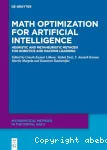
Titre : Math optimization for artificial intelligence : heuristic and metaheuristic methods for robotics and machine learning Type de document : document électronique Auteurs : Umesh Kumar Lilhore, Éditeur scientifique ; Vishal Dutt, Éditeur scientifique ; T. Ananth Kumar, Éditeur scientifique ; Martin Margala, Éditeur scientifique ; Kaamran Raahemifar, Éditeur scientifique Editeur : Berlin : De Gruyter Année de publication : 2025 Collection : Mathematical methods in the digital age num. Vol. 2 Importance : 1 fichier PDF (13.3 Mo) ISBN/ISSN/EAN : 978-3-11-143618-0 Note générale :
Mode d'accès : accès au texte intégral par :
- authentification après inscription à la plateforme EBSCOhost
ou
- adresse IP de l'École.
IndexLangues : Anglais (eng) Mots-clés : Mathematical optimization
Artificial intelligence -- MathematicsIndex. décimale : 519.6 : 004.8 Mathématique numérique. Analyse numérique. Programmation. (informatique). Science des ordinateurs : Intelligence artificielle. Résumé :
The book presents powerful optimization approaches for integrating AI into daily life.This book explores how heuristic and metaheuristic methodologies have revolutionized the fields of robotics and machine learning. The book covers the wide range of tools and methods that have emerged as part of the AI revolution, from state-of-the-art decision-making algorithms for robots to data-driven machine learning models. Each chapter offers a meticulous examination of the theoretical foundations and practical applications of mathematical optimization, helping readers understand how these methods are transforming the field of technology.This book is an invaluable resource for researchers, practitioners, and students. It makes AI optimization accessible and comprehensible, equipping the next generation of innovators with the knowledge and skills to further advance robotics and machine learning. While artificial intelligence constantly evolves, this book sheds light on the path ahead.Note de contenu : Summary :
1. The role of mathematical optimization in advanced ai applications
2. An overview of mathematical optimization in artificial intelligence
3. Robust optimization methods for ensuring ai system
4. Swarm intelligence and optimization in AI
5. Privacy and security for 6g's iot-connected future in the age of quantum computing
6. Optimization in natural language processing models for enhanced performance and efficiency
7. Unveiling the intriguing applications of mathematical optimization in artificial intelligence
8. Unleashing the power of evolutionary algorithms: advanced optimization techniques in artificial intelligence
9. Introduction to mathematical optimization techniques in AI
10. Hybrid mathematical optimization techniques in AI
11. Mathematical optimization for enhanced ai-enabled geospatial intelligence
12. Deep learning-based ultrasound analysis using explainable artificial intelligence (xai) methods for breast cancer
13. Explainable artificial intelligence techniques in deep learning-based liver tumor analysis
14. A novel african wild dog optimization (awdo) algorithm for applications of artificial intelligence
15. Artificial intelligence-based control strategies for covid-19 that target different age groups
16. Model optimization in deep learning: theory and application
17. Quantitative analysis for lms using mathematical modeling by artificial
18. Optimizing neural network training by addressing key challenges and advanced techniques
19. Principles and applications of bayesian optimization in AIEn ligne : https://research.ebsco.com/linkprocessor/plink?id=9819afd6-b2da-3d2e-ad7b-824fd9 [...] Math optimization for artificial intelligence : heuristic and metaheuristic methods for robotics and machine learning [document électronique] / Umesh Kumar Lilhore, Éditeur scientifique ; Vishal Dutt, Éditeur scientifique ; T. Ananth Kumar, Éditeur scientifique ; Martin Margala, Éditeur scientifique ; Kaamran Raahemifar, Éditeur scientifique . - Berlin : De Gruyter, 2025 . - 1 fichier PDF (13.3 Mo). - (Mathematical methods in the digital age; Vol. 2) .
ISBN : 978-3-11-143618-0
Mode d'accès : accès au texte intégral par :
- authentification après inscription à la plateforme EBSCOhost
ou
- adresse IP de l'École.
Index
Langues : Anglais (eng)
Mots-clés : Mathematical optimization
Artificial intelligence -- MathematicsIndex. décimale : 519.6 : 004.8 Mathématique numérique. Analyse numérique. Programmation. (informatique). Science des ordinateurs : Intelligence artificielle. Résumé :
The book presents powerful optimization approaches for integrating AI into daily life.This book explores how heuristic and metaheuristic methodologies have revolutionized the fields of robotics and machine learning. The book covers the wide range of tools and methods that have emerged as part of the AI revolution, from state-of-the-art decision-making algorithms for robots to data-driven machine learning models. Each chapter offers a meticulous examination of the theoretical foundations and practical applications of mathematical optimization, helping readers understand how these methods are transforming the field of technology.This book is an invaluable resource for researchers, practitioners, and students. It makes AI optimization accessible and comprehensible, equipping the next generation of innovators with the knowledge and skills to further advance robotics and machine learning. While artificial intelligence constantly evolves, this book sheds light on the path ahead.Note de contenu : Summary :
1. The role of mathematical optimization in advanced ai applications
2. An overview of mathematical optimization in artificial intelligence
3. Robust optimization methods for ensuring ai system
4. Swarm intelligence and optimization in AI
5. Privacy and security for 6g's iot-connected future in the age of quantum computing
6. Optimization in natural language processing models for enhanced performance and efficiency
7. Unveiling the intriguing applications of mathematical optimization in artificial intelligence
8. Unleashing the power of evolutionary algorithms: advanced optimization techniques in artificial intelligence
9. Introduction to mathematical optimization techniques in AI
10. Hybrid mathematical optimization techniques in AI
11. Mathematical optimization for enhanced ai-enabled geospatial intelligence
12. Deep learning-based ultrasound analysis using explainable artificial intelligence (xai) methods for breast cancer
13. Explainable artificial intelligence techniques in deep learning-based liver tumor analysis
14. A novel african wild dog optimization (awdo) algorithm for applications of artificial intelligence
15. Artificial intelligence-based control strategies for covid-19 that target different age groups
16. Model optimization in deep learning: theory and application
17. Quantitative analysis for lms using mathematical modeling by artificial
18. Optimizing neural network training by addressing key challenges and advanced techniques
19. Principles and applications of bayesian optimization in AIEn ligne : https://research.ebsco.com/linkprocessor/plink?id=9819afd6-b2da-3d2e-ad7b-824fd9 [...] Réservation
Réserver ce document
Exemplaires (1)
Code-barres Cote Support Localisation Section Disponibilité Etat_Exemplaire E00489 519.6 : 004.8 MAT Ressources électroniques Bibliothèque Centrale Mathématiques Disponible Téléchargeable
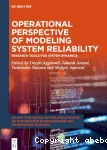
Titre : Operational perspective of modeling system reliability : research tools for system dynamics Type de document : document électronique Auteurs : Deepti Aggrawal, Éditeur scientifique ; Adarsh Anand, Éditeur scientifique ; Yoshinobu Tamura, Éditeur scientifique ; Mohini Agarwal, Éditeur scientifique Editeur : Berlin : De Gruyter Année de publication : 2025 Collection : De Gruyter series on the applications of mathematics in engineering and information num. Vol. 18 Importance : 1 fichier PDF (20.7 Mo) ISBN/ISSN/EAN : 978-3-11-147610-0 Note générale :
Mode d'accès : accès au texte intégral par :
- authentification après inscription à la plateforme EBSCOhost
ou
- adresse IP de l'École.
IndexLangues : Anglais (eng) Mots-clés : Operations research -- Mathematical models Index. décimale : 519.87 Modèles mathématiques de la recherche opérationnelle Résumé :
This book provides insights into contemporary issues and challenges concerning operational research and related mathematical modeling fundamentals, such as system reliability, scalability, and adaptability. This collaboration of academia and industry disseminates practical tools and analytics applications of mathematics in engineering and information sciences Optimization techniques have gained popularity among system managers for making crucial decisions while meeting multiple needs. The focus of this book is the evaluation and optimization of critical decisions related to the system betterment. Each chapter presents the recent advancements and research opportunities in system assurance. Operational Perspective of Modeling System Reliability (Research Tools for System Dynamics) is for academicians and those who need to understand the latest developments in the field of System Reliability. Along with these, anyone solving problems within the related application domains will benefit from this compilation.Note de contenu : Summary :
1. Cloud-enabled HAP for next-generation reliable networks: a dependability analysis
2. Opportunity-based age replacement models in discrete time and their application
3. An efficient GA-PSO algorithm for addressing multi-objective reliability optimization problems
4. Mathematical data models for forecasting computational resources in cloud computing
5. Mathematical modeling and reliability analysis of pulsed GTAW process in mechanical property for weld joints
6. Analyzing enablers influencing reliability and adoption of conversational bots: an interpretive structural modeling technique
7. Modeling of series parallel system by two types of repairs for reliability perspective
8. Analyzing unmanned aerial vehicle threats and risks using STRIDE and DREAD
9. Reliability analysis of a two out of four stoc
10. A fast algorithm to find the maximum reliability route in stochastic networkshastic model with rework strategy
11. Discovery and fixation process for software vulnerabilities: modeling and analysisincorporating learning functions
12. Reliability assessment method based on cyclic noisy fault big data and AI for OSS
13. MEREC-CoCoSo-based systematic approach to analyze and evaluate critical testing coverage measures for software development process
14. The impact of mediator and observer design patterns on software reliability: an empirical evaluation
15. Identifying the most efficient vulnerability detection methods: a multi-criteria decision-making approach
16. Methodology of developing mathematical models with fuzzy logic elements for quality indices control
17. Review of multi-release software reliability growth modeling frameworkEn ligne : https://research.ebsco.com/linkprocessor/plink?id=1312077d-6999-38fd-a75f-790f05 [...] Operational perspective of modeling system reliability : research tools for system dynamics [document électronique] / Deepti Aggrawal, Éditeur scientifique ; Adarsh Anand, Éditeur scientifique ; Yoshinobu Tamura, Éditeur scientifique ; Mohini Agarwal, Éditeur scientifique . - Berlin : De Gruyter, 2025 . - 1 fichier PDF (20.7 Mo). - (De Gruyter series on the applications of mathematics in engineering and information; Vol. 18) .
ISBN : 978-3-11-147610-0
Mode d'accès : accès au texte intégral par :
- authentification après inscription à la plateforme EBSCOhost
ou
- adresse IP de l'École.
Index
Langues : Anglais (eng)
Mots-clés : Operations research -- Mathematical models Index. décimale : 519.87 Modèles mathématiques de la recherche opérationnelle Résumé :
This book provides insights into contemporary issues and challenges concerning operational research and related mathematical modeling fundamentals, such as system reliability, scalability, and adaptability. This collaboration of academia and industry disseminates practical tools and analytics applications of mathematics in engineering and information sciences Optimization techniques have gained popularity among system managers for making crucial decisions while meeting multiple needs. The focus of this book is the evaluation and optimization of critical decisions related to the system betterment. Each chapter presents the recent advancements and research opportunities in system assurance. Operational Perspective of Modeling System Reliability (Research Tools for System Dynamics) is for academicians and those who need to understand the latest developments in the field of System Reliability. Along with these, anyone solving problems within the related application domains will benefit from this compilation.Note de contenu : Summary :
1. Cloud-enabled HAP for next-generation reliable networks: a dependability analysis
2. Opportunity-based age replacement models in discrete time and their application
3. An efficient GA-PSO algorithm for addressing multi-objective reliability optimization problems
4. Mathematical data models for forecasting computational resources in cloud computing
5. Mathematical modeling and reliability analysis of pulsed GTAW process in mechanical property for weld joints
6. Analyzing enablers influencing reliability and adoption of conversational bots: an interpretive structural modeling technique
7. Modeling of series parallel system by two types of repairs for reliability perspective
8. Analyzing unmanned aerial vehicle threats and risks using STRIDE and DREAD
9. Reliability analysis of a two out of four stoc
10. A fast algorithm to find the maximum reliability route in stochastic networkshastic model with rework strategy
11. Discovery and fixation process for software vulnerabilities: modeling and analysisincorporating learning functions
12. Reliability assessment method based on cyclic noisy fault big data and AI for OSS
13. MEREC-CoCoSo-based systematic approach to analyze and evaluate critical testing coverage measures for software development process
14. The impact of mediator and observer design patterns on software reliability: an empirical evaluation
15. Identifying the most efficient vulnerability detection methods: a multi-criteria decision-making approach
16. Methodology of developing mathematical models with fuzzy logic elements for quality indices control
17. Review of multi-release software reliability growth modeling frameworkEn ligne : https://research.ebsco.com/linkprocessor/plink?id=1312077d-6999-38fd-a75f-790f05 [...] Réservation
Réserver ce document
Exemplaires (1)
Code-barres Cote Support Localisation Section Disponibilité Etat_Exemplaire E00487 519.87 OPE Ressources électroniques Bibliothèque Centrale Mathématiques Disponible Téléchargeable